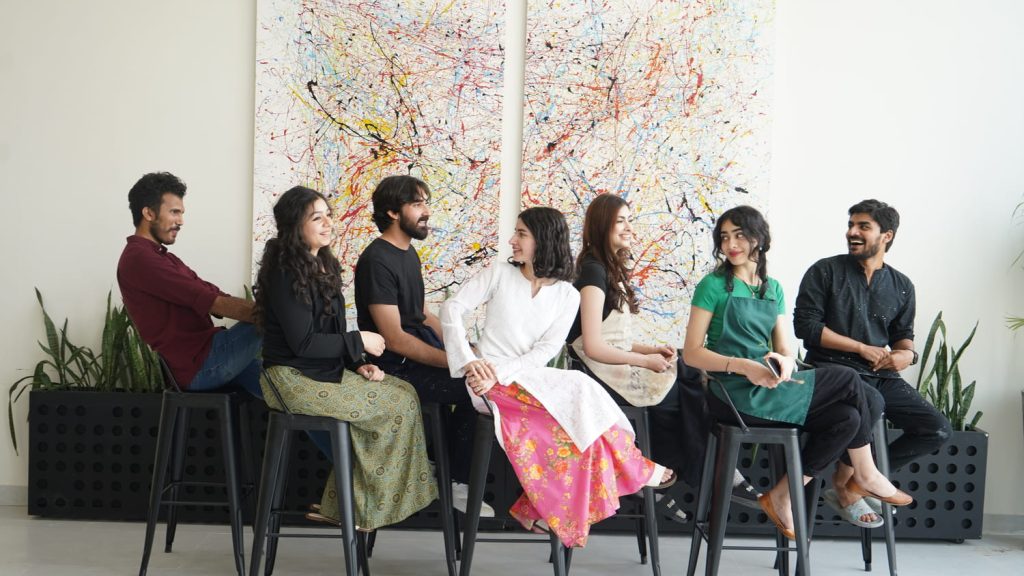
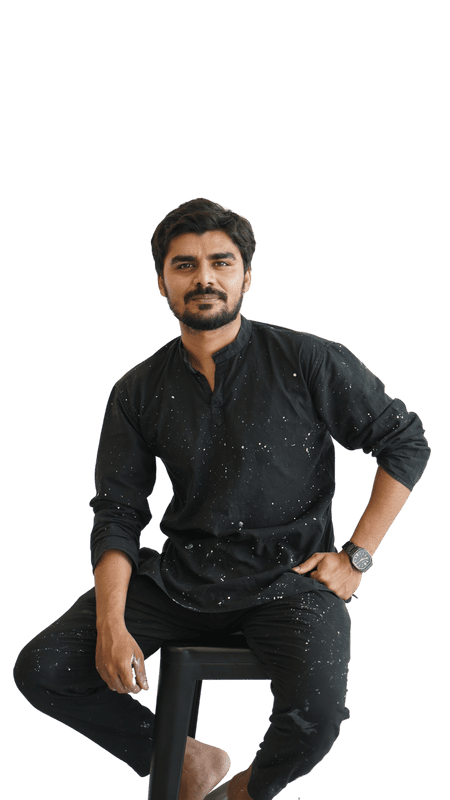
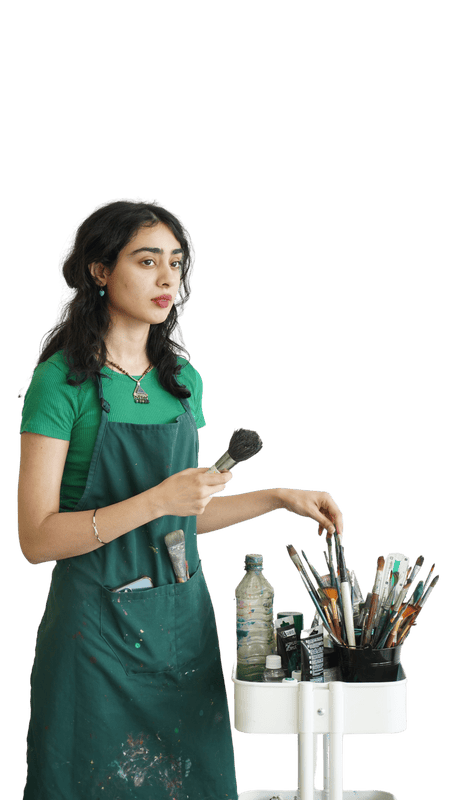
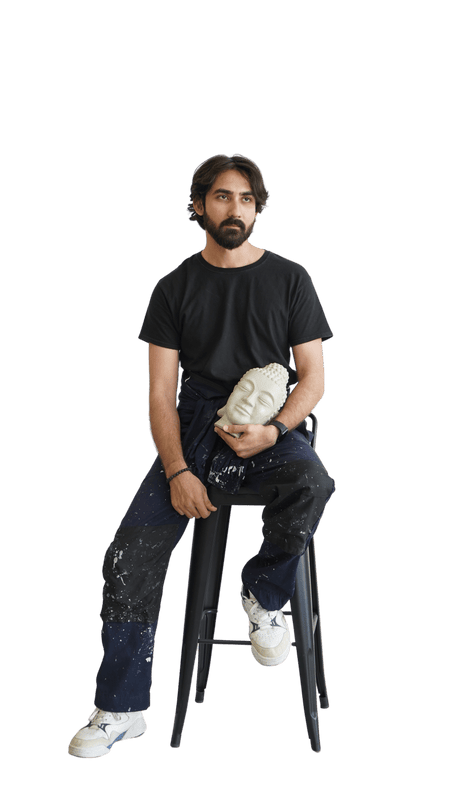
The CCC Artist-in-Residence (AIR) program offers artists dedicated time, space, and resources to develop their practice. Through mentorship, collaboration, and public engagement, residents are encouraged to push creative boundaries and deepen their artistic impact.
An annual residency program—Chapter 1 was held last year and spanned four months, marking the beginning of a continuing platform for artistic growth.
Ali Kazim (b. 1979) currently lives and works in Lahore, Pakistan. He received his BFA degree from the National College of Arts, Lahore, Pakistan in 2002 and an MFA from the Slade School of Fine Art, London, UK, in 2011.
Kazim’s work has been shown internationally in both solo and group exhibitions, and is held in public collections worldwide.
ali
KAZIM
Quddus Mirza is a celebrated visual artist, art critic and independent curator. After receiving his MA in Painting from the Royal College of Art London, he has exhibited worldwide, curated landmark shows, and shaped generations of artists.
His works are in major collections, he writes for leading international publications, and teaches at BNU, Lahore.
quddus
MIRZA
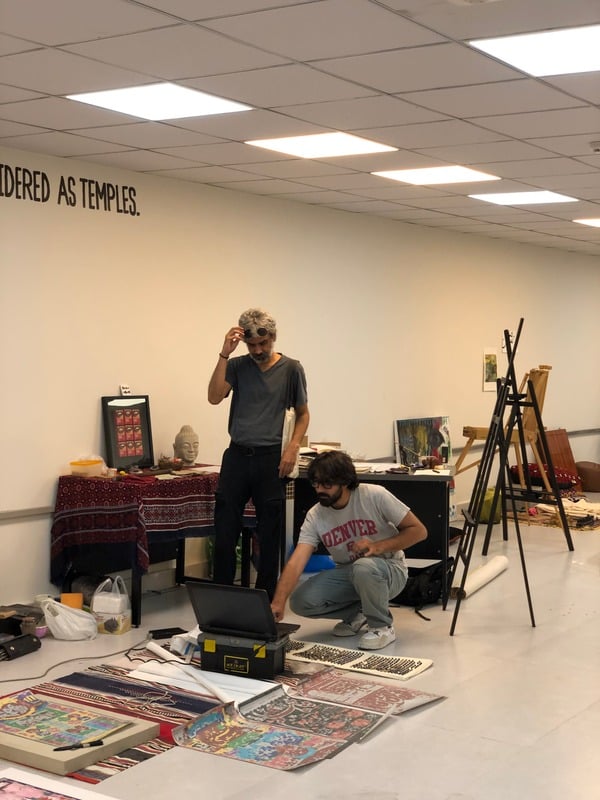
Highlights from mentor sessions & studio visits
Chapter 1: Guest Mentors
Noormal Jamal is a Pakistani multidisciplinary artist exploring themes of identity, culture, and social issues through various mediums. Her work challenges perceptions and sparks meaningful conversations. With a unique blend of traditional and contemporary techniques, Jamal contributes to Pakistan’s vibrant artistic landscape.
noormah
JAMAL
Sajal Sajjad is a talented Pakistani photographer known for her captivating and emotive visual storytelling. Through her lens, she explores the intricacies of human connection and everyday life, crafting images that resonate with audiences. Her work showcases a unique perspective on the world around us.
sajal
SAJJAD
Chapter 1: Studio Visits
saamia
VINE
Saamia Vine is a Pakistani artist, art educator, and traditional art activist known for her work exploring themes related to traditional South Asian art and craft. She is also involved in traditional craft networks, product design, and production.
ayaz
JOKHIO
Jokhio is an academic and artist with a career span of over 2 decades, including participation at numerous international residencies. His work has been shown extensively, locally and globally.
talha ali
KUSHVAHA
A prolific writer and co-author of Folk Heritage of Pakistan, Talha is also a musician, composer, and band leader of BlueSax Band who continues to make significant contributions as a researcher, project manager, and speaker on culture and history.
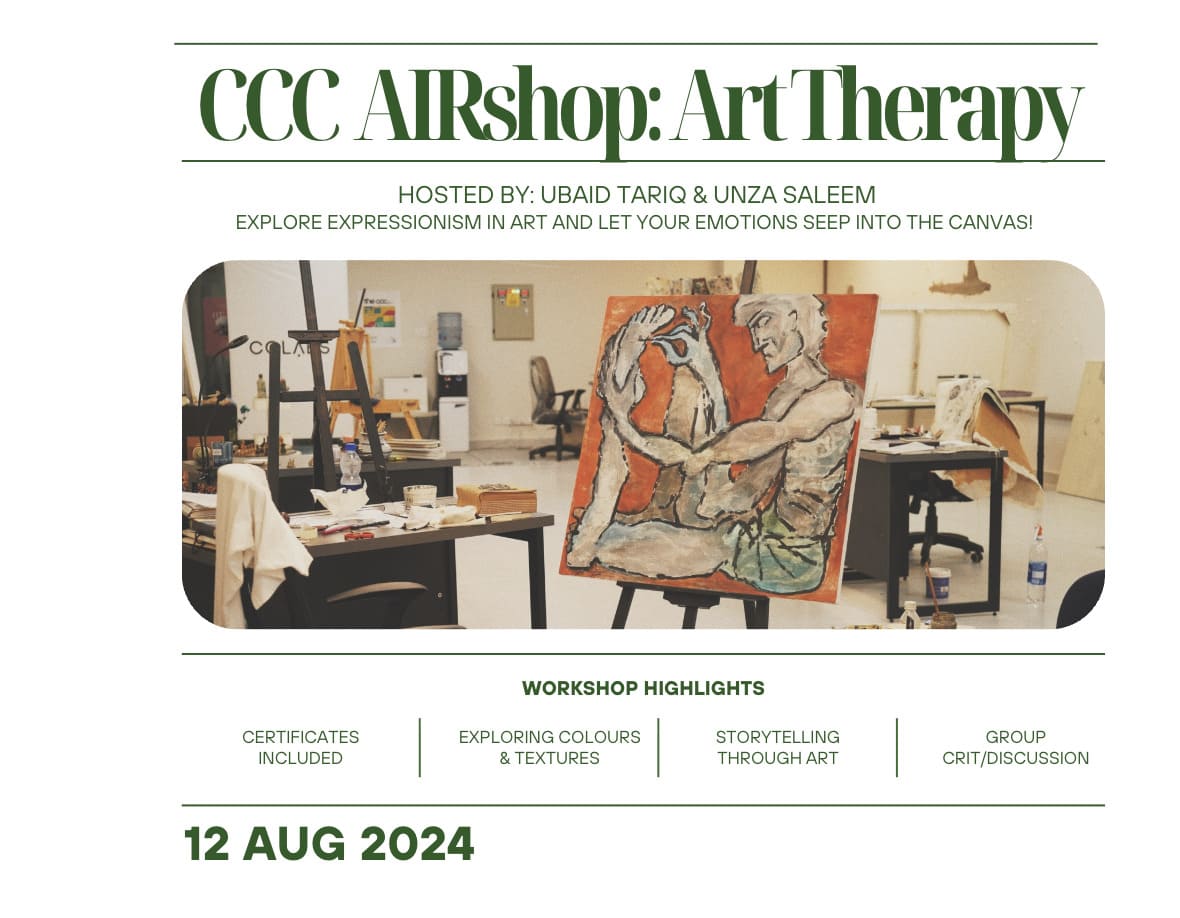
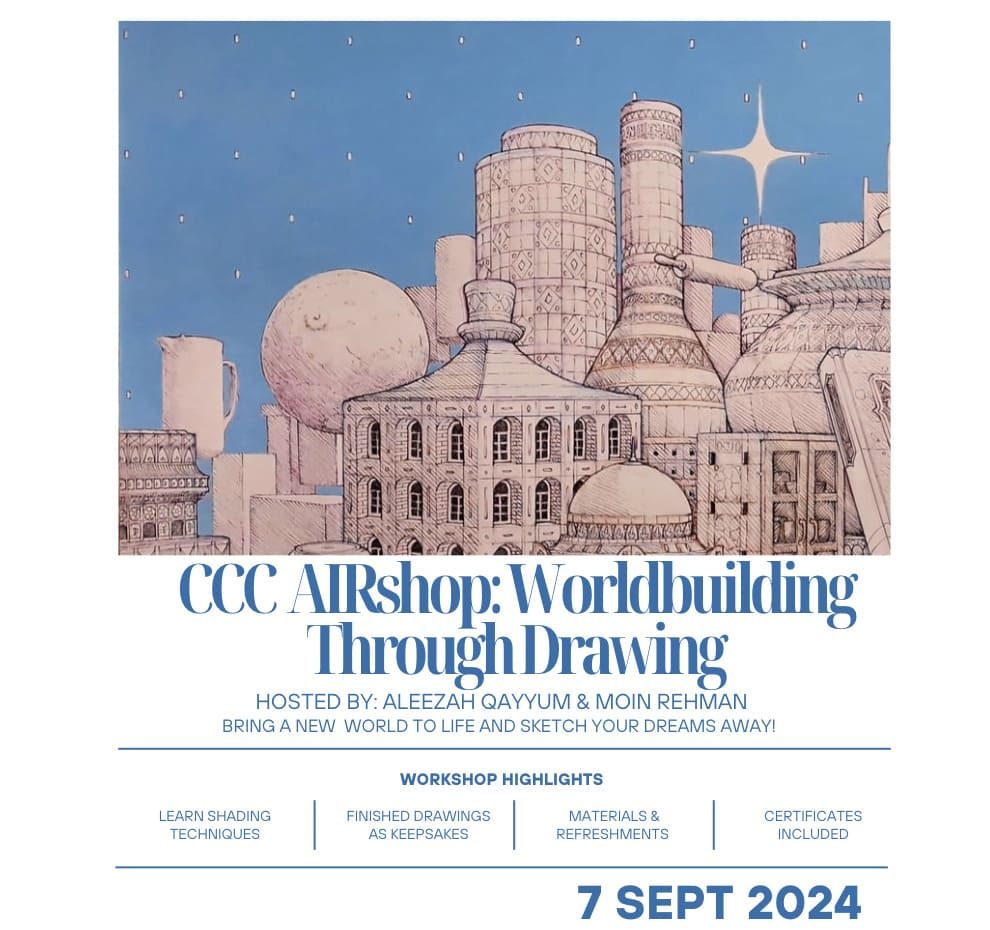
Workshops
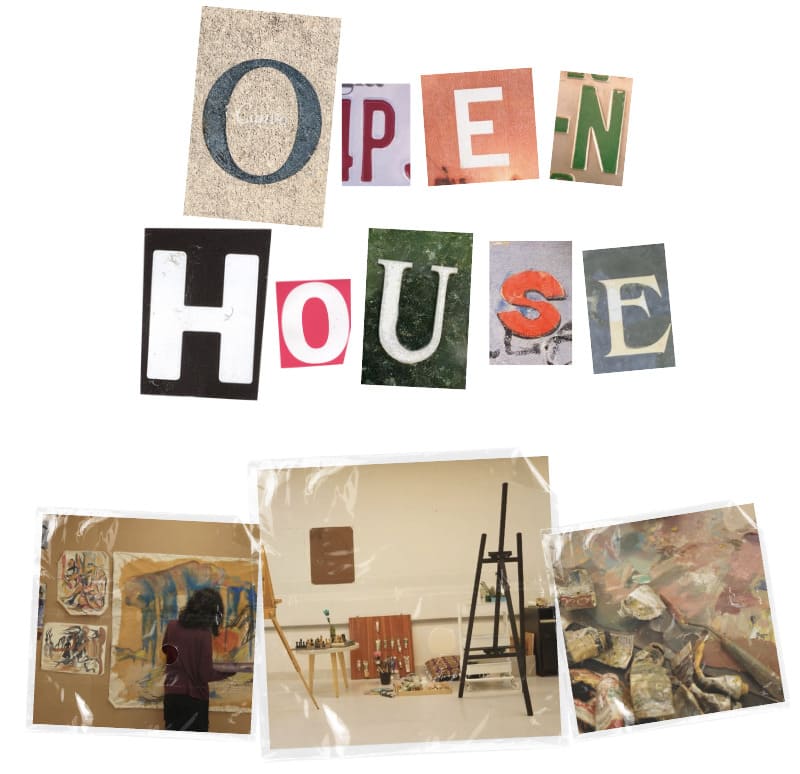
Chapter 1: Open House
Chapter 1: Exhibition
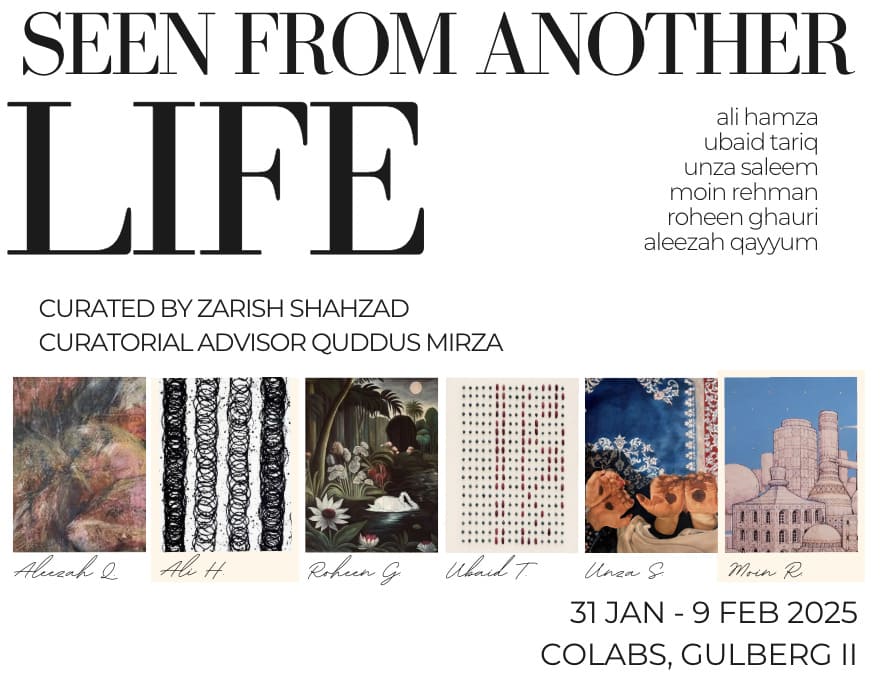
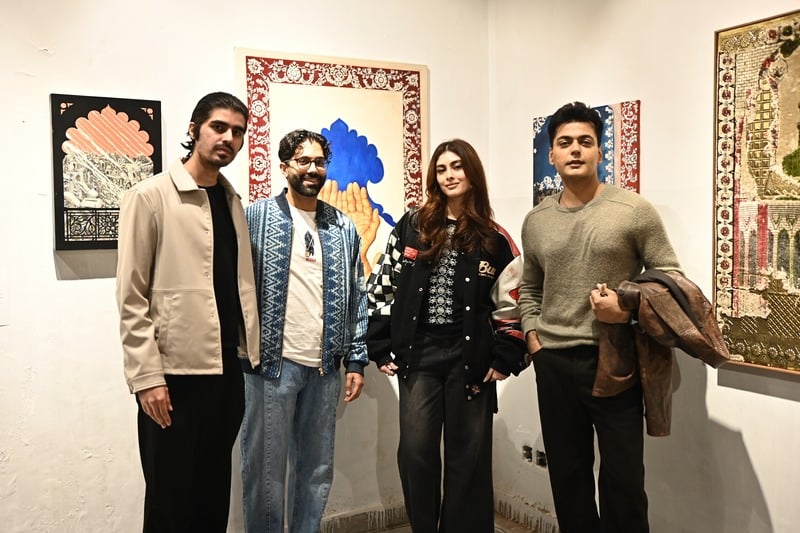
Seen From Another Life began with the aim of exploring how nature and culture weave their way through our technological city. As each artist dug deeper into their practices to root out these themes, what emerged was not a lucid vision but fragments of memories, as if from another life. Like tales reminiscent of when the Ravi flowed freely or when belief was as close as a prayer, these scenes stick out like weeds in concrete – unnatural at first, yet with a defiance that is demanded in the chaos of the city.
Catch a glimpse of the vast ether in Ali’s work, and look deeper into the amorphous figures brought to life by Aleezah. Ubaid’s work serves as a reminder of our cultural roots and their everchanging, resilient nature; Unza’s paintings channel the same dynamism of identity and faith in her own colours. Moin’s work is an intricate and historicised representation of human society; Roheen’s shifts the focus to the relationship between humans and nature, spinning a narrative of fear, loss and love.
While each of their creations stands tall on its own, the curation holistically is meant to invoke a sense of curiosity about our place in the natural and urban worlds, and to encourage us to reimagine the counterintuitive, and often destructive divide between the two.